
Piano Guide: Everything You Need to Know Before Learning Piano
Learning the piano is one of the most rewarding musical journeys you can take — whether you’re a parent enrolling your child or an adult learner starting later in life. This piano guide will help you understand how to start, what to expect, and how to learn piano effectively in Singapore.
-
Why Learn Piano?
Piano is often recommended as the best first instrument because it builds a strong foundation in:
- Musical theory
- Hand coordination
- Rhythm and timing
- Sight-reading skills
For children, piano lessons improve concentration, memory, and discipline.
For adults, learning piano is a proven way to reduce stress and keep the mind active.
-
How to Start Learning Piano (Beginner’s Guide)
Step 1: Choose the Right Piano
- Digital piano – affordable, space-saving, ideal for beginners
- Upright piano – better touch and tone, higher cost
- Keyboard – suitable only for very young beginners
👉 Tip: Weighted keys are important for proper finger strength.
Step 2: Decide Between Self-Learning or Lessons
While online videos are helpful, most learners progress faster with structured piano lessons, especially beginners.
Benefits of having a piano teacher:
- Correct posture and finger technique
- Proper progression
- Motivation and accountability
- Preparation for graded exams (ABRSM / Trinity)
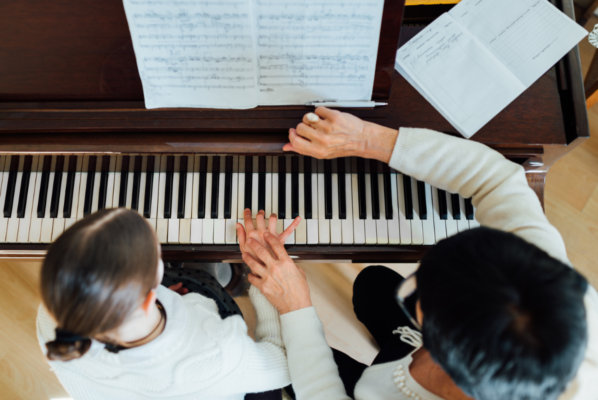
Step 3: Piano Lessons in Singapore: What to Expect
In Singapore, piano lessons typically include:
- 1-to-1 home piano lessons
- Music schools
- Online piano lessons
Lesson duration:
- Beginners: 30–45 minutes
- Intermediate & advanced: 45–60 minutes
Common lesson focus:
- Scales & technique
- Sight-reading
- Pieces
- Aural & theory basics
Step 4: Piano Exams: Should You Take Them?
Many students aim for graded piano exams such as ABRSM or Trinity College London.
Pros:
- Clear goals
- Motivation to practise
- Widely recognised certification
Cons:
- Exam stress
- Extra practice pressure
- Additional costs
👉 Exams are optional. Some learners play purely for enjoyment.
Step 5: Piano Lessons: Downsides You Should Know
While piano is beneficial, it’s good to be realistic.
Common challenges:
- Requires consistent practice
- Progress may feel slow at first
- Young children may lose interest without encouragement
- Exam-focused learning may reduce enjoyment if not balanced
A good piano teacher will adjust the pace and repertoire to keep lessons enjoyable.
Step 6: How Long Does It Take to Learn Piano?
This depends on:
- Practice frequency
- Quality of teaching
- Age of learner
General guideline:
- 3–6 months: basic songs
- 1–2 years: intermediate level
- 4–6 years: advanced repertoire
Consistency matters more than talent.
Step 7: Finding the Right Piano Teacher
When choosing a piano teacher, look for:
- Relevant qualifications
- Experience teaching your age group
- Clear communication
- Structured lesson plan
- Patience and encouragement
A good teacher makes learning piano enjoyable and sustainable.
Conclusion
Learning piano is a long-term investment in musical skill, discipline, and personal growth. Whether you’re learning for fun, exams, or personal enrichment, the right guidance makes all the difference.
If you’re looking for piano lessons in Singapore, starting with a structured plan and a suitable teacher will help you enjoy the journey and see real progress.
Contact us today to get started with piano lessons in Singapore.